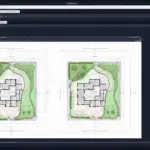
Shop drawings Australia contractors and fabricators produce — also called workshop drawings — are detailed technical documents that bridge the gap between design intent and on-site fabrication — and they are a contractually required deliverable on most commercial, industrial, and infrastructure construction projects. If you’ve worked on a construction or engineering project, you’ve almost certainly encountered them. This complete guide explains what shop drawings are, who prepares them, the approval process, and why every serious project in Australia depends on them.
What Are Shop Drawings (Workshop Drawings)?
Shop drawings are detailed technical drawings produced by contractors, subcontractors, fabricators, or suppliers to show exactly how a specific component or system will be manufactured, fabricated, and installed on site. Unlike design drawings (produced by architects and engineers to show what should be built), shop drawings show how — the precise dimensions, materials, connection details, and installation instructions required to produce the work correctly.The term “shop drawings” comes from the workshop or fabrication shop where components are manufactured before being delivered to the site. A structural steel fabricator, for example, cannot start cutting and welding steel until they have approved shop drawings confirming the exact size, profile, connection details, and welding requirements for every member.
In Australia, shop drawings are a standard and contractually required deliverable on most commercial, industrial, and infrastructure projects. They form part of the contractor’s obligations under Australian Standards and the National Construction Code (NCC).
Shop Drawings vs Design Drawings — What’s the Difference?
This is the question most builders and project managers ask first. The distinction is important:
Design drawings (by the architect/engineer)
Design drawings communicate the design intent — what is to be built. They show the overall layout, structure, and specifications, but do not provide the step-by-step fabrication detail required to actually produce the components. Design drawings are typically prepared by the architect or engineer of record and form part of the contract documents.
Shop drawings (by the contractor/fabricator)
Shop drawings translate the design intent into precise, actionable fabrication and installation instructions. They are prepared by the party responsible for fabricating or supplying the element — the steel fabricator, the joinery manufacturer, the precast supplier, or the glazing contractor — and must be reviewed and approved by the engineer or architect before fabrication begins.
The key difference: design drawings show the result; shop drawings show how to achieve it.
Types of Shop Drawings Australia Construction Projects Use
Shop drawings are used across a wide range of construction and engineering disciplines. Common types of shop drawings Australia projects require include:
- Structural steel: fabrication drawings for beams, columns, connections, base plates, and bracing — compliant with AS4100 (Steel Structures) and the AISC (Australian Institute of Steel Construction) guidelines
- Precast concrete: panel details, lifting inserts, connection hardware, and reinforcement schedules for precast elements compliant with AS3600 (Concrete Structures)
- Joinery and shopfitting: detailed drawings for custom cabinetry, millwork, counters, and interior fit-out elements
- MEP systems: detailed coordination drawings for mechanical (HVAC), electrical, and plumbing systems showing routing, connections, and equipment layout
- Glazing and facades: window frame details, curtain wall systems, and architectural facade elements
- Formwork: detailed drawings for temporary works, formwork systems, and shoring arrangements
- Miscellaneous metalwork: handrails, balustrades, stairs, platforms, and architectural metalwork
What Information Is Included in Shop Drawings?
A complete set of shop drawings provides everything needed to fabricate and install the element without further clarification. Depending on the trade, shop drawings typically include:
General information
- Project name, drawing number, revision history, and date
- Scale, north point (for plans), and drawing orientation
- Reference to the relevant design drawing or specification
Geometry and dimensions
- All dimensions required to manufacture and install the component
- Detailed sections, elevations, and plan views
- Tolerances and clearances
Materials and specifications
- Material grades, standards, and suppliers
- Surface finishes, coatings, and treatments
- Fastener types, sizes, and specifications
Connection and installation details
- Welding details and symbols (per AS1554 for structural steel)
- Bolt patterns, sizes, and torque requirements
- Interface details with adjacent structure or elements
Bill of materials
- Complete list of components, materials, and quantities
- Part numbers and supplier information
Who Prepares Shop Drawings?
Shop drawings are prepared by the party responsible for fabricating or supplying the element. In Australian construction practice:
- Steel fabricators prepare structural steel shop drawings, often using specialist steel detailing software such as Tekla or AutoCAD
- Precast suppliers prepare precast concrete shop drawings for their panels and elements
- Joinery manufacturers prepare detailed drawings for custom cabinetry and interior fit-out
- MEP subcontractors prepare coordination and shop drawings for mechanical, electrical, and plumbing systems
- Specialist drafting companies — like Draftings Australia — prepare shop drawings on behalf of contractors, fabricators, or project teams who lack in-house drafting capability
The Shop Drawing Approval Process in Australia
On most Australian construction projects, shop drawings must be submitted to and approved by the engineer of record or the superintendent before fabrication or installation commences. The typical approval process is:
Step 1: Submission
The contractor or fabricator submits shop drawings to the engineer or architect, typically via a formal transmittal or document control system.
Step 2: Review
The engineer reviews the shop drawings against the design intent, specifications, and applicable Australian Standards. The review period is typically 5–15 business days, depending on project contract terms.
Step 3: Response
The engineer responds with one of several standard statuses:
- Approved: proceed with fabrication
- Approved as noted: proceed, but incorporate the noted corrections
- Revise and resubmit: significant issues identified, resubmit revised drawings
- Rejected: drawings do not meet requirements, new submission required
Step 4: Fabrication
Once shop drawings are approved (or approved as noted), fabrication can proceed. Changes made after approval typically require a formal revision and re-approval.
Why Are Accurate Shop Drawings Critical?
The quality of your shop drawings has a direct impact on project cost, programme, and quality:
- Reduced site errors: accurate shop drawings eliminate ambiguity on site, reducing the chance of components being fabricated incorrectly
- Fewer RFIs: well-prepared shop drawings answer all fabrication and installation questions upfront, reducing requests for information (RFIs) that delay progress
- Programme certainty: fabricators cannot start work without approved shop drawings — delays in preparation or approval directly affect the construction programme
- Cost control: rework caused by incorrect shop drawings is expensive; the cost of getting it right upfront is a fraction of the cost of fixing it on site
- Compliance: shop drawings that are not compliant with Australian Standards or the project specifications expose contractors to contractual risk
How Much Do Shop Drawing Services Cost in Australia?
Shop drawing costs vary considerably based on scope, complexity, and discipline, so fixed quotes against your actual package beat any generic rate card. How the main package types are priced:
- Simple structural steel packages: the entry tier — priced by the number of members and connections
- Joinery and shopfitting sets: priced by the number of items and detail level
- MEP coordination drawings: the largest packages — full multi-discipline coordination scales with the number of services and clash-resolution rounds
- Precast concrete shop drawings: priced per panel, scaling with penetrations, cast-in items and finishes
- Miscellaneous metalwork: priced per item — balustrades, stairs and brackets each quoted on detail level
Fixed-fee quotes are the norm for well-defined scopes. Contact Draftings Australia for a free quote within 24 hours.
Frequently Asked Questions About Shop Drawings Australia
Are shop drawings the same as construction drawings?
No. Construction drawings (also called contract drawings or design drawings) are produced by the architect or engineer and form part of the contract documents — they show what is to be built. Shop drawings are produced by the contractor or fabricator and show how a specific element will be fabricated and installed. Shop drawings are always derived from and must be consistent with the construction drawings, but they contain significantly more fabrication detail.
Who is responsible for the accuracy of shop drawings in Australia?
The contractor or fabricator who prepares the shop drawings is responsible for their accuracy and compliance with the design intent. The engineer or architect who reviews and approves the shop drawings confirms that they are generally consistent with the design intent but does not assume responsibility for the fabricator’s construction methods, means, sequences, or procedures. This distinction is typically addressed in the project contract and the Standard Conditions of Contract applicable to the project.
Can you start fabrication before shop drawings are approved?
No, you shouldn’t start fabrication before shop drawings are approved on Australian construction projects. Our standard practice ensures that fabrication only begins once the engineer or principal certifier has signed off, protecting both timelines and budgets. Starting early puts your project at risk—if our drawings need revisions, you may face costly modifications or scrapping of materials. We recommend waiting for formal approval to avoid these expenses and keep your project on track.
How long does shop drawing preparation take?
The timeframe for shop drawing preparation depends on your project’s scope and complexity. Simple single-element drawings typically take 1–3 business days, while complex structural steel packages for multi-storey buildings may require 2–4 weeks. Here at Draftings Australia, we specialise in delivering standard shop drawing packages within 3–7 business days, ensuring compliance with Australian building codes and standards. We work closely with builders and contractors to prioritise urgent projects when needed, minimising delays to your construction schedule.
What software is used to prepare shop drawings in Australia?
At Draftings Australia, we use industry-leading software tailored to Australian construction standards and project requirements. AutoCAD remains our primary tool for most disciplines, while we leverage Tekla Structures and Advance Steel for detailed structural steel work that meets Australian Building Standards. For projects requiring BIM coordination, we utilise Revit to ensure seamless MEP integration and clash detection. Our software selection always aligns with your project specifications and whether coordination with other trades is essential for successful on-site fabrication and installation.
What is the difference between shop drawings and as-built drawings?
Shop drawings are prepared before fabrication and show exactly how a component will be made and installed, while as-built drawings are produced after construction and record how the work was actually built, including any variations from the original design. At Draftings Australia, we prepare shop drawings to guide fabricators and installers, ensuring compliance with Australian building codes and project specifications. As-built drawings then document the final outcome, which is essential for maintenance records and future renovations. Both deliverables are critical for Australian construction projects and we ensure they meet all relevant standards and council requirements.
Draftings Australia provides professional shop drawings services to contractors, fabricators, and project teams across Brisbane, Sydney, Melbourne, Perth, and Gold Coast. Our experienced team delivers accurate, standards-compliant shop drawings within your programme.
Request your free quote for shop drawings Australia today.